How to Choose Comfortable Nursing Shoes for 12-Hour Shifts
 23 Oct 2026
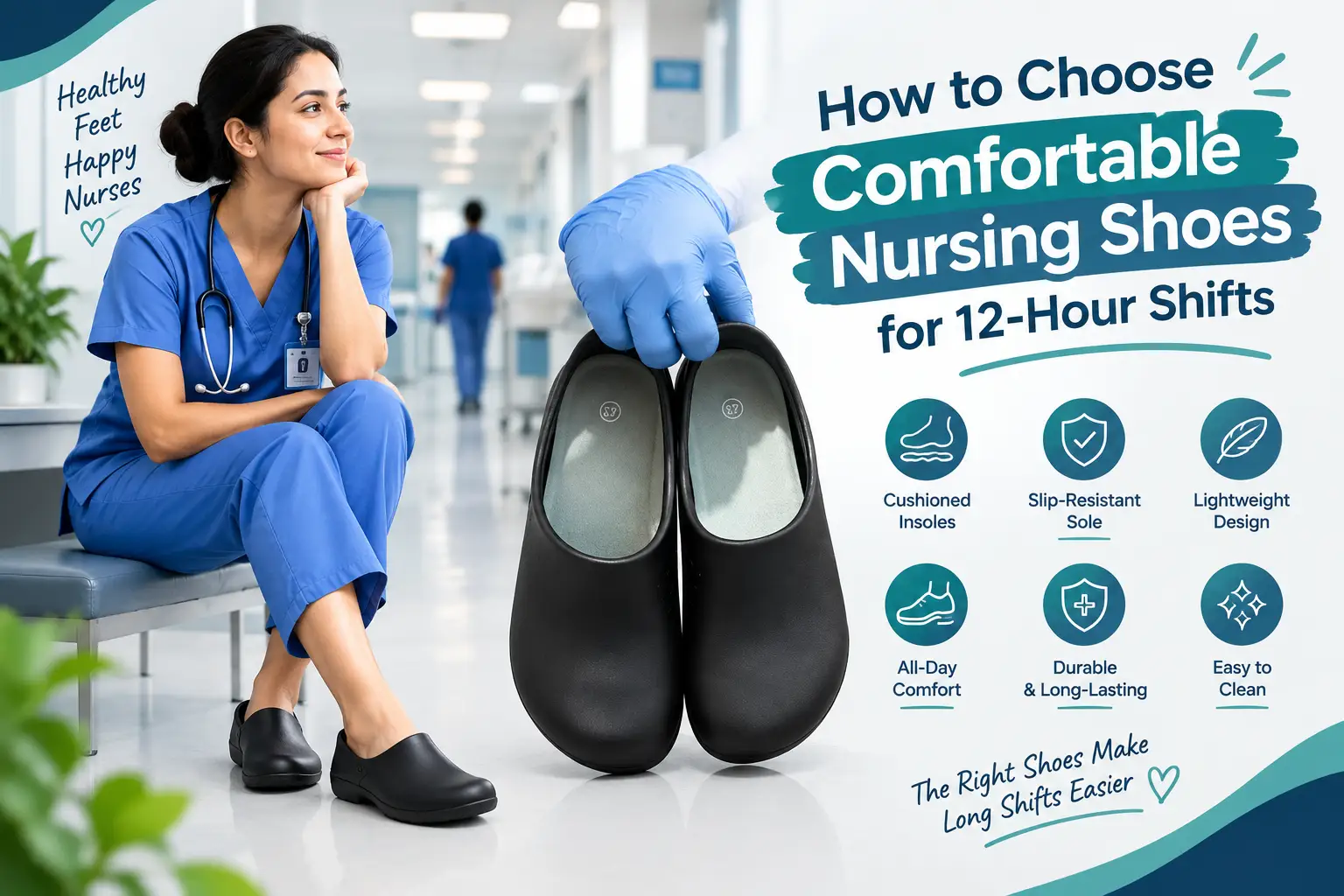
Nurses spend much of their working day standing, walking between departments, assisting patients, and responding quickly to workplace demands. Choosing the best shoes for nurses can make a significant difference during a 12-hour shift. The right footwear should combine cushioning, arch support, stability, breathability, and reliable traction without feeling heavy or restrictive. Since nursing environments can involve spills, polished floors, long corridors, and constant movement, comfort and safety should both be considered when selecting work shoes.
Why the Best Shoes for Nurses Matter During Long Shifts
A 12-hour nursing shift can place considerable demands on the feet and lower body. Nurses may walk thousands of steps while moving between patient rooms, treatment areas, nursing stations, and other departments. They may also spend extended periods standing while assisting patients or completing clinical tasks.
Footwear that lacks adequate cushioning or support can become uncomfortable as the shift progresses. A shoe that feels fine for an hour may not provide the same level of comfort after several consecutive hours of standing.
The right nursing footwear should support natural foot movement while helping distribute pressure across the sole. A secure heel, comfortable midsole, supportive footbed, and appropriately cushioned outsole can contribute to a more comfortable working experience.
Fit is equally important. Shoes should not squeeze the toes or allow excessive movement inside the heel. Proper sizing provides a stable foundation for walking and standing throughout a demanding shift.
What to Look for in the Best Shoes for Nurses
When comparing professional nursing footwear, focus on how each feature contributes to everyday performance. Appearance can be a consideration, but it should not outweigh comfort, traction, and appropriate workplace protection.
Consider these two groups of features:
Comfort and support: Look for cushioning, suitable arch support, a roomy toe box, secure heel construction, breathable materials, and a lightweight design that does not unnecessarily increase fatigue.
Safety and durability: Consider slip-resistant traction, water-resistant construction, easy-to-clean materials, a durable outsole, and a design suitable for the flooring and conditions of your healthcare workplace.
Your individual foot shape and working environment should guide the final choice. A nurse who spends most of the shift walking may prioritize lightweight flexibility, while someone who spends long periods standing may place greater emphasis on cushioning and support.
Comfortable Shoes for Nurses: Key Features to Consider
Finding Comfortable Shoes for Nurses starts with understanding what makes footwear comfortable over an extended period rather than only during a short fitting.
Cushioning is one important factor. A well-cushioned midsole can help manage the repetitive impact associated with walking on hard floors. However, excessive softness is not always better. The shoe should also provide enough stability to support controlled movement.
Arch support is another consideration. The foot's arch contributes to weight distribution and natural movement. A supportive footbed can provide a stable platform, although the amount and type of support required varies from person to person.
Toe room should not be overlooked. The toes need enough space to move naturally without rubbing against the front or sides of the shoe. A secure heel fit is also important because excessive heel movement can affect stability.
Breathability can improve comfort during long shifts, particularly in warm clinical environments. Materials that allow appropriate airflow can help manage heat and perspiration.
Non-Slip Shoes for Nurses and Workplace Traction
Healthcare facilities can contain smooth, polished, wet, or recently cleaned floors. Liquids may also be present around patient rooms, treatment areas, washrooms, and other locations. For this reason, Non-Slip Shoes for Nurses can be an important part of workplace footwear.
A slip-resistant outsole is designed to provide better traction on suitable surfaces. Tread patterns and outsole compounds influence how footwear interacts with the floor.
However, no shoe can guarantee complete protection from slipping. Floor contamination, the type of surface, cleaning products, and the condition of the outsole all affect traction. Safe workplace practices and prompt spill management remain essential.
When selecting footwear, look for clear information from the manufacturer about slip resistance. Also inspect the outsole periodically. As tread becomes worn and smoother, the shoe may no longer provide the same level of traction it had when new.
Waterproof Shoes for Nurses for Wet Conditions
Healthcare workers may encounter water and other liquids during routine tasks. Cleaning procedures, spills, washrooms, and patient-care activities can all expose footwear to moisture.
Waterproof Shoes for Nurses can help keep feet dry when the footwear is specifically designed to resist water penetration. Dry footwear can also contribute to greater comfort during a long shift.
When evaluating waterproof construction, examine the entire shoe rather than just the upper. Seams, tongue construction, closures, and openings can affect water protection.
It is also useful to understand the difference between water-resistant and waterproof footwear. These terms can represent different levels of protection, so check the manufacturer's specifications before making a purchase.
Breathability remains important. A shoe that prevents external moisture from entering but traps excessive heat and perspiration may become uncomfortable after several hours.
Slip-Resistant Nursing Shoes for Hospital Environments
Slip-Resistant Nursing Shoes should combine traction with a comfortable construction suitable for prolonged wear. Hospital floors can vary considerably, and nurses may move across tile, vinyl, polished surfaces, corridors, and other flooring during the same shift.
A practical outsole should provide suitable grip without making the shoe unnecessarily stiff or heavy. The tread should also be easy to clean because dust, dirt, and other substances can accumulate over time.
Pay attention to the shoe's flexibility as well. Nurses frequently turn, walk, bend, and change direction. A shoe that allows natural movement while maintaining stability can be more practical than one that feels overly rigid.
Regular outsole inspection is essential. If the tread becomes visibly worn, cracked, or smooth, consider replacing the footwear rather than relying on its original slip-resistant performance.
How to Find the Right Fit for a 12-Hour Shift
Correct sizing is one of the simplest ways to improve footwear comfort. Feet can change slightly throughout the day, especially after prolonged standing and walking. Therefore, the fit should be comfortable without being excessively tight.
Try footwear with the socks you normally wear during work. Walk around and pay attention to pressure points, heel movement, and toe clearance.
The front of the shoe should provide enough space for the toes to move without allowing the foot to slide excessively. The heel should feel secure, while the midfoot should receive comfortable support.
Avoid selecting a size solely because it matches your usual shoe size. Different brands and shoe models can have different shapes and sizing systems.
A proper fit should feel supportive from the beginning rather than requiring significant discomfort before the footwear becomes wearable.
Lightweight Construction Can Improve Everyday Comfort
Nursing involves constant movement, so footwear weight can influence how tired the feet feel by the end of a shift. Heavy shoes may require more effort with every step, particularly when walking for many hours.
Lightweight materials can make footwear easier to wear throughout the day. However, weight should never be considered separately from stability and durability.
An extremely lightweight shoe may not provide enough structure for a particular workplace. The goal is to find a balanced design that feels light enough for repeated movement while still offering adequate support and traction.
A well-designed nursing shoe should move naturally with the foot without feeling unstable.
Breathability, Hygiene, and Easy Maintenance
Nursing shoes can be exposed to dust, liquids, cleaning agents, and other workplace contaminants. Easy-to-clean materials can therefore be valuable for everyday use.
Smooth or wipeable uppers may be easier to maintain than highly textured materials. Follow the manufacturer's cleaning instructions and avoid harsh chemicals that could damage the upper, outsole, adhesives, or protective coatings.
Allow damp footwear to dry properly before wearing it for another long shift. If the footwear has removable insoles, check whether they can be removed and aired separately.
Good maintenance can help preserve the shoe's appearance, comfort, and functional properties.
Durability Matters for Frequent Nursing Work
Nursing shoes are often worn repeatedly throughout the week, so durability should be part of the buying decision. Frequent walking and standing can gradually affect the outsole, cushioning, upper, and overall structure.
Inspect the footwear regularly for signs of wear. Look for reduced tread, damaged seams, cracks, sole separation, compressed cushioning, or changes in fit.
Replacing footwear when its important functional features deteriorate can be more practical than continuing to use a pair that no longer provides appropriate support or traction.
Work-focused footwear from brands such as Futsran can be evaluated according to these practical requirements, including comfort, grip, durability, and suitability for extended working hours.
How to Break In New Nursing Shoes
Even comfortable footwear may require a short adjustment period. However, new shoes should not cause significant pain or persistent pressure.
If possible, wear new shoes for shorter periods before using them during a full 12-hour shift. This allows you to identify pressure points, heel movement, or sizing problems early.
Check the fit after walking for some time. If your toes feel compressed or your heel repeatedly slips, consider whether a different size or shoe shape would be more appropriate.
Do not rely on the expectation that severely uncomfortable footwear will eventually become comfortable. A proper fit should feel reasonably supportive from the beginning.
Conclusion
Choosing the best shoes for nurses for a 12-hour shift requires attention to comfort, support, traction, fit, breathability, and durability. The ideal pair should help you move comfortably through long periods of walking and standing while providing suitable grip for your workplace.
Rather than choosing footwear based only on appearance, consider your daily responsibilities, floor conditions, shift length, and individual foot shape. Regular cleaning and timely replacement can also help maintain the performance of your nursing shoes over time.
FAQs
1. What makes nursing shoes comfortable for 12-hour shifts?
Cushioning, arch support, proper fit, breathable materials, and a supportive midsole can improve long-shift comfort.
2. Are slip-resistant shoes important for nurses?
Yes. Suitable traction can help provide better grip on wet, polished, or recently cleaned floors.
3. Should nursing shoes be waterproof?
Waterproof footwear can be useful for nurses who regularly encounter spills or wet working conditions.
4. How should nursing shoes fit?
They should provide a secure heel, comfortable midfoot support, and enough toe room for natural movement.
5. When should nursing shoes be replaced?
Replace them when the outsole is significantly worn, cushioning has deteriorated, or the shoe no longer provides a secure and comfortable fit.