Which Industries Need Oil and Water Proof Shoes the Most?
 31 Oct 2026
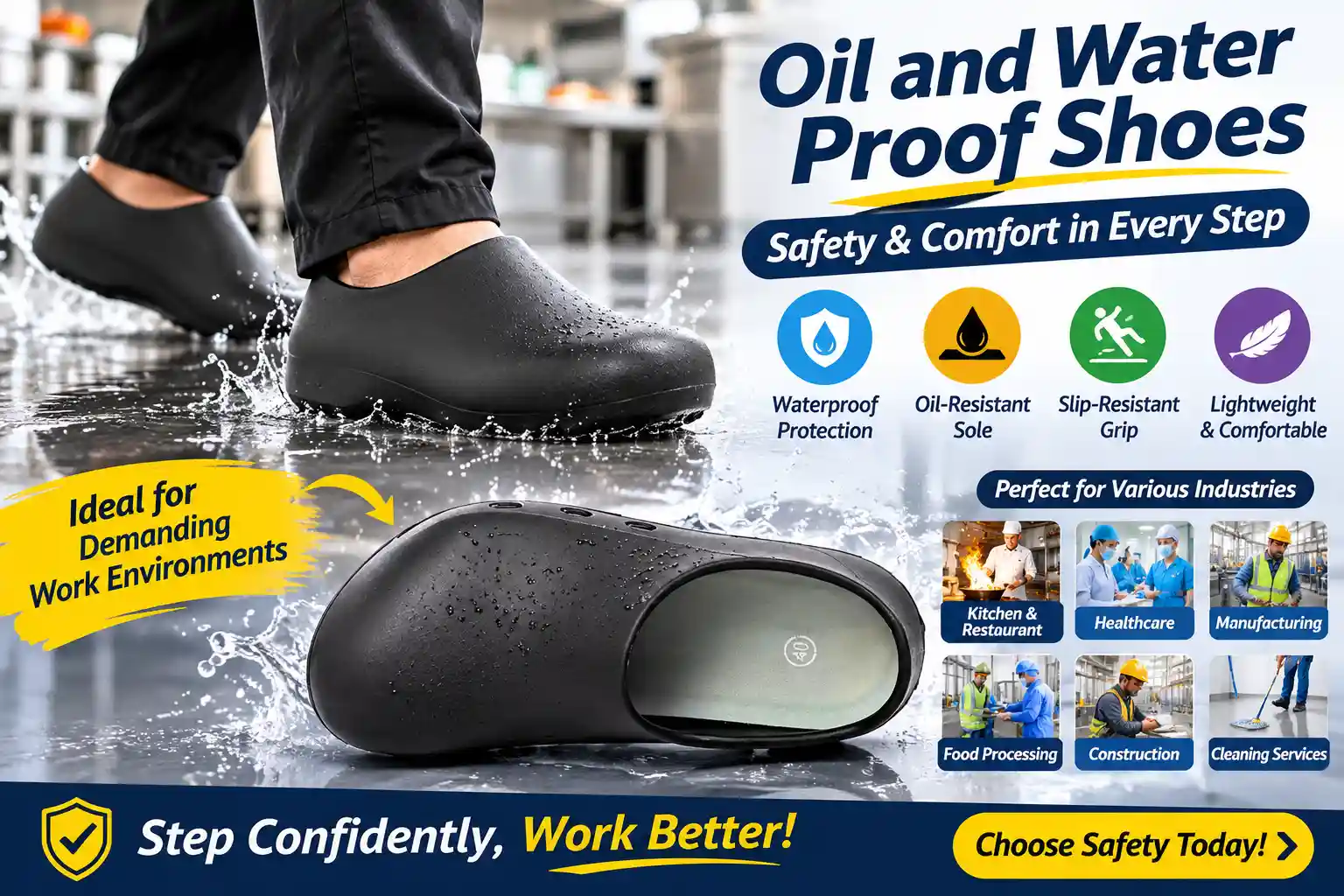
Oil and water proof shoes are essential for workers who regularly deal with slippery floors, grease, liquid spills, and moisture. From busy restaurant kitchens to hospitals, manufacturing plants, and food processing facilities, the right work footwear helps improve stability, protect feet, and support comfort during long shifts. Choosing suitable footwear is an important part of workplace safety, particularly in industries where wet surfaces and accidental spills are common.
Different professions face different risks. Chefs may encounter cooking oil and spilled water, healthcare professionals spend hours walking between departments, and industrial workers often work around lubricants and machinery. Understanding these workplace challenges helps employers and employees choose footwear that suits their daily responsibilities while supporting safer movement.
Why Are Oil and Water Proof Shoes Important in High-Risk Workplaces?
Workplace floors can become hazardous when exposed to water, grease, oils, cleaning products, and food residue. Ordinary footwear may not provide sufficient traction on these surfaces, increasing the risk of slips and falls. Oil and water proof shoes can help workers manage wet conditions when the footwear is designed for the specific hazards they encounter.
Waterproofing and slip resistance serve different purposes. Waterproof materials help prevent water from entering the shoe, whereas slip-resistant outsoles are designed to improve grip on suitable surfaces. A shoe may offer one feature without providing the other, so workers should check product specifications before buying.
Comfort is another essential consideration. Employees who stand or walk for extended periods need supportive construction, cushioning, a secure fit, and materials suited to their working environment. Lightweight footwear can also make movement easier during demanding shifts.
Employers should evaluate the type of flooring, common spills, cleaning procedures, and potential workplace hazards before selecting protective shoes. The right footwear should balance traction, durability, comfort, and the level of protection required for the job.
1. Commercial Kitchens and Restaurants
Commercial kitchens are among the workplaces where protective footwear is particularly important. Chefs, cooks, kitchen assistants, dishwashers, and restaurant employees regularly encounter cooking oil, spilled water, sauces, grease, and food waste. These substances can make kitchen floors slippery, especially during busy meal preparation and service hours.
For professionals working in these environments, shoes for chef roles should offer slip-resistant outsoles, comfortable cushioning, durable construction, and easy-to-clean materials. Closed-toe designs can also help protect feet from certain spills and dropped utensils.
Water-resistant or waterproof uppers are useful for workers who spend time near sinks, dishwashing stations, and food preparation counters. However, footwear must also provide suitable traction because keeping feet dry does not automatically prevent slipping.
Kitchen clogs are another option commonly considered by food service employees. When shopping for kitchen crocs, workers should check whether the particular model offers a suitable slip-resistant outsole, a secure fit, and materials compatible with frequent cleaning. Not every clog is designed for professional kitchen conditions.
Restaurants can further improve workplace safety by maintaining clean floors, addressing spills promptly, and replacing footwear when its tread becomes worn. Appropriate shoes help employees move more confidently between cooking stations, storage areas, and washing zones.
2. Hospitals, Clinics, and Healthcare Facilities
Healthcare professionals spend considerable time walking between departments, assisting patients, and responding to medical needs. Nurses, doctors, laboratory technicians, and hospital support staff may work long shifts, while routine cleaning can leave floors temporarily wet.
These conditions make suitable footwear essential. Shoes for doctors should provide reliable traction, comfortable cushioning, a secure fit, and materials that can be cleaned according to the healthcare facility's hygiene procedures.
Water-resistant uppers may help protect against minor splashes, while slip-resistant outsoles can improve grip on appropriate floor surfaces. Lightweight designs and supportive construction can also help healthcare professionals remain comfortable during extended periods of standing and walking.
Footwear requirements vary between departments. Laboratory workers may need protection suited to their chemical exposure risks, while operating theatre staff must follow specific hygiene and protective equipment policies. Employees should select shoes that meet their department's requirements rather than relying on appearance alone.
Regular inspection is equally important. Worn soles, damaged materials, and poorly fitting footwear can compromise comfort and performance. Choosing appropriate work shoes helps healthcare professionals move safely while managing their demanding responsibilities.
3. Manufacturing Plants and Industrial Facilities
Manufacturing facilities often expose workers to machine lubricants, hydraulic fluids, cutting oils, and water. Employees may also walk across concrete floors, metal platforms, and production areas where liquid leaks occur.
In these environments, oil and water proof shoes can be valuable when their materials and construction match the workplace hazards. Depending on their duties, industrial workers may require oil-resistant outsoles, protective toe caps, puncture-resistant midsoles, or additional safety features.
Machine operators and maintenance technicians, for example, may need footwear that provides suitable traction around equipment and fluid-handling areas. Warehouse employees may prioritize a combination of grip, impact protection, and comfort for extended walking.
Employers should never assume that all waterproof shoes are appropriate for industrial environments. The footwear must be compatible with the oils, chemicals, temperatures, and mechanical hazards encountered during work. Where necessary, shoes should meet applicable occupational safety standards.
Regular inspections help maintain performance. Cracked soles, damaged uppers, and worn tread patterns can reduce protection and traction. Replacing damaged footwear is an important step in maintaining workplace safety.
4. Food Processing and Packaging Industries
Food processing plants handle water, oils, ingredients, cleaning solutions, and liquid food waste. Production, washing, and packaging activities can leave floors wet, making appropriate footwear an important safety consideration.
Employees working in meat processing, seafood production, dairy facilities, beverage manufacturing, and packaged food factories need shoes suited to their particular tasks. Waterproof or water-resistant construction can help keep feet dry, while slip-resistant soles provide additional grip on suitable surfaces.
Hygiene is especially important in food production. Footwear should be easy to clean and compatible with the facility's sanitation procedures. Some workplaces may require dedicated shoes for specific production areas to help prevent cross-contamination.
Workers who stand for extended periods should also look for comfortable cushioning and supportive construction. These features can improve comfort when working on hard industrial floors throughout the day.
Because food processing facilities often use specialized detergents and sanitizing agents, employees should verify that their footwear materials are compatible with the cleaning products used at work.
5. Automotive Workshops and Vehicle Service Centres
Mechanics and vehicle technicians regularly handle engine oil, grease, lubricants, coolant, and other automotive fluids. Spills can spread across workshop floors, creating hazards near service bays, vehicle lifts, and tool storage areas.
Suitable work footwear should provide traction on potentially oily surfaces, durable construction, and protection appropriate to the job. Mechanics who handle heavy components may also need protective toe caps and puncture-resistant features.
Waterproof materials can help keep feet dry during routine washing or minor splashes, but they do not necessarily provide resistance to automotive chemicals. Workers should consult the manufacturer's specifications to ensure that the footwear is suitable for the substances encountered in their workshop.
A secure fit and stable outsole are useful when moving between smooth concrete floors and uneven surfaces. Cleaning the tread regularly can help remove accumulated dirt and grease, although cleaning cannot restore an outsole that has become excessively worn.
6. Cleaning, Housekeeping, and Facility Management
Professional cleaners and housekeeping employees work in hotels, hospitals, shopping centres, schools, offices, and commercial buildings. Their daily tasks often involve mopping, washing bathrooms, handling detergents, and cleaning food service areas.
These activities expose workers to wet floors and cleaning solutions. Footwear with suitable slip-resistant soles and water-resistant construction can help manage these common workplace risks.
Cleaning professionals should choose shoes that fit securely and remain comfortable during prolonged walking. Cushioned insoles, supportive construction, and easy-to-clean materials can be particularly useful for employees responsible for large buildings.
Chemical compatibility also matters. Ordinary waterproof footwear may not withstand every cleaning product, so workers handling stronger chemicals may require specialized protective equipment.
Employers can improve safety by providing appropriate footwear, displaying wet-floor signs, and ensuring that spills are addressed promptly. Protective shoes should complement broader workplace safety procedures rather than replace them.
7. Agriculture, Fisheries, and Beverage Production
Agricultural workers, fish processing employees, brewery staff, and beverage production teams often work around water, mud, wet produce, and liquid spills. Their footwear needs depend on their location, working conditions, and exposure to specific hazards.
Farm workers may benefit from waterproof boots with durable soles for muddy fields and wet storage areas. Fish processing employees may require footwear that is easy to sanitize and suitable for consistently wet floors. Beverage production workers may need shoes that provide traction and tolerate frequent washing.
Choosing suitable footwear involves more than checking whether it is waterproof. Outsole grip, material durability, chemical compatibility, and protection against workplace-specific hazards all influence performance.
Outdoor employees should also consider ankle support and the terrain they regularly cross. Workers operating near heavy machinery may require additional protective features to reduce the risk of impact or crushing injuries.
How to Choose the Best Oil and Water Proof Shoes for Your Industry
Selecting the right footwear starts with identifying the hazards employees face. A shoe designed for restaurant work may not provide the protection required in a manufacturing plant, automotive workshop, or chemical handling facility.
Before purchasing work shoes, consider these two groups of factors:
Safety and protection: Check slip-resistant outsole performance, water resistance, oil resistance, toe protection, chemical compatibility, and relevant safety certifications. Choose features according to the risks identified in your workplace.
Comfort and maintenance: Look for a secure fit, cushioning, supportive construction, durable materials, and easy cleaning. Inspect the tread regularly and replace footwear when the soles or uppers become damaged.
Businesses should evaluate manufacturer specifications rather than relying only on product descriptions. Waterproof, oil-resistant, and slip-resistant are different properties, and performance varies between models.
For workplaces with specialized risks, employers should consult occupational safety guidance and select footwear that meets applicable requirements. Brands such as Futsran can be considered when comparing work footwear options, but each model's specifications should be checked to confirm its suitability for the intended environment.
Conclusion
Oil and water proof shoes are important for industries where moisture, grease, and liquid spills can make floors hazardous. Commercial kitchens, hospitals, manufacturing plants, food processing facilities, automotive workshops, cleaning services, and agricultural workplaces all benefit from footwear selected for their specific working conditions.
Choosing the right shoes involves more than waterproof materials. Slip resistance, comfort, durability, chemical compatibility, and job-specific protective features are equally important. By identifying workplace hazards and checking product specifications, employees and employers can make informed footwear choices that support safer movement and greater comfort throughout the working day.
Frequently Asked Questions
1. Which industries need oil and water proof shoes the most?
Commercial kitchens, hospitals, manufacturing plants, food processing facilities, automotive workshops, and cleaning services commonly need protective work footwear.
2. Are waterproof shoes automatically slip-resistant?
No. Waterproofing prevents water from entering the shoe, while slip resistance depends on the outsole design and its performance on particular surfaces.
3. What features should chefs look for in work shoes?
Chefs should prioritize slip-resistant soles, comfortable cushioning, easy-to-clean materials, a secure fit, and suitable protection against kitchen hazards.
4. Can healthcare professionals wear waterproof shoes?
Yes, provided the footwear meets their department's hygiene, traction, comfort, and job-specific safety requirements.
5. When should work shoes be replaced?
Replace them when the tread becomes worn, the soles are damaged, the materials no longer provide adequate protection, or the shoes fail to meet workplace safety requirements.